
Skin Tag Removal in Juhu
Skin tags, moles and warts removed by radiofrequency cautery — precise, quick and with minimal scarring. Every lesion is examined before anything is removed.
- RF cautery
- Assessed first
- Local anaesthetic
- Minimal downtime
Radiofrequency, not a blade
RF cautery uses radiofrequency energy delivered through a very fine tip to target and destroy unwanted tissue. Because the energy is precise and confined to the lesion, the skin around it is left alone, which means less bleeding, minimal downtime and less scarring than cutting.
It suits exactly the things people want gone and cannot remove themselves: skin tags in the folds of the neck, underarms and eyelids, raised moles, and warts on the hands, face or feet. The area is numbed first, and most lesions take moments once numbing has taken effect.
What we will not do is remove a mole without looking at it properly. Some pigmented lesions need medical evaluation rather than cosmetic removal, and burning one off destroys the very tissue a pathologist would need. If anything about a mole looks worth investigating, Dr. Khushal will say so and refer or biopsy rather than proceed.
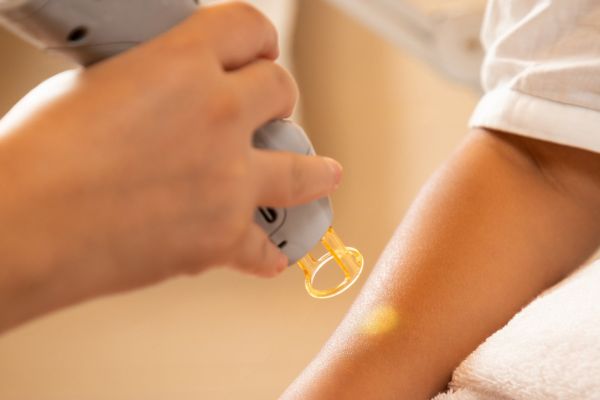
Skin tags, moles and warts
- Skin tagsSoft, stalked growths that appear where skin rubs — neck, underarms, eyelids, under the bust. Harmless, and irritating when they catch on clothing or jewellery.
- Raised molesRemoved for comfort or appearance once examined. Flat pigmented moles are assessed differently, and some are better left alone or investigated.
- WartsCaused by a virus, which is why they spread and sometimes return. Removal deals with the lesion; more can appear nearby, and repeat visits are sometimes needed.
- Milia and small bumpsThe tiny firm white bumps around the eyes that no amount of exfoliation shifts.
- Multiple lesionsWhere there are many, we usually treat in stages so healing is manageable and the skin is not left raw across a large area.
- Assessment first, price afterThe cost depends on what and how many, so it is confirmed after the tags or moles have been inspected.
See a doctor before removal if a mole has changed in size, shape or colour, has an irregular border, bleeds, itches or has appeared recently in adulthood. That is not a reason to avoid us — it is a reason to be examined rather than book a cosmetic removal. Also tell us if you have a bleeding disorder, take blood thinners, have a pacemaker or implanted electrical device, scar badly, or are pregnant.
How it works
-
Inspection
Dr. Khushal examines each lesion, decides what it is, and confirms whether it can simply be removed or needs evaluating first. This is also when the cost is confirmed.
-
Numbing
The area is cleaned and numbed, with cream or a small local anaesthetic injection depending on the site and the size.
-
Removal
The fine RF tip removes the lesion level with the surrounding skin. You may notice a faint smell, which is normal, and you should feel nothing beyond pressure.
-
Dressing
An antiseptic ointment goes on, with a small dressing if the site needs one. Most sites are left open to dry.
-
Healing
A small scab forms over the next day or two and falls away on its own within about a week. The skin underneath stays pink for a while before settling.
-
Review
Come back if anything has not healed as expected, if a wart returns, or if new lesions appear nearby.
Post-care instructions
The clinic gives you written instructions on the day. In general:
- Keep the area clean and dry for 24 hours.
- Apply the ointment we give you as directed, until the site has healed.
- Do not pick or scratch the scabs. Let them fall off on their own — picking is what causes marks.
- No makeup over the site until it has healed, if it is on the face.
- No swimming, steam or sauna until the skin has closed.
- Sunscreen on the healed site for several weeks, otherwise it can darken.
- Anything unusual — spreading redness, pus, fever, bleeding that will not stop — call the clinic.
What to expect: a scab within a day or two, gone in about a week, with pinkness that fades over the following weeks. Scarring is minimal but never guaranteed to be zero, and darker skin can leave a temporary mark where the lesion was. Warts may return, because the virus that causes them can persist in the surrounding skin.
Book an assessment
Bring in whatever is bothering you and we will tell you what it is, whether it should be removed, and what it will cost.
- Mon–Sat 9:30 AM to 8:00 PM. Sunday by appointment.
- +91 98239 00884 / +91 86690 65851
- WhatsApp +91 98239 00884
- mkaestheticsjuhu@gmail.com
- Flat No. 8, First Floor, Sukh Shanti Building, above Dhanani Jewellers, JVPD Scheme, Juhu, N S Road Number 8, Vile Parle West, Mumbai 400049
Request an appointment
Skin tag removal FAQs
Does it hurt?
The area is numbed first, so you should feel pressure rather than pain. The numbing injection itself is the part most people notice, and it is brief.
Will it leave a scar?
Scarring is minimal with RF cautery, because the energy is confined to the lesion. Minimal is not zero, though, and on darker skin a temporary mark where the lesion was is common. Not picking the scab is the single biggest factor in how it heals.
How long does healing take?
A small scab forms within a day or two and usually falls away within about a week. The skin underneath stays pink for a few weeks before settling.
Can I have several removed at once?
Often yes, though where there are many we treat in stages so healing stays manageable and a large area is not left raw at once.
Why do I need a mole examined first?
Because most moles are harmless but some are not, and the ones that need investigating look much like the ones that do not. Removing a suspicious mole with cautery destroys the tissue that would be needed to check it. An examination costs you one appointment.
Will my warts come back?
They can. Warts are caused by a virus that can persist in the surrounding skin, so new ones may appear even after successful removal. That is the nature of warts rather than a failure of the treatment.
Can I remove a skin tag at home?
Please do not. Thread, nail clippers and over-the-counter acids cause infection, bleeding and scars, and the marks left behind are harder to fix than the tag was. It is also the fastest way to turn something harmless into a problem.
What does it cost?
It depends on how many lesions there are and what they turn out to be, so the price is confirmed after inspection rather than quoted over the phone.
Related treatments
- Medi-FacialsClinical facials for pigmentation, congestion and texture.
- Laser Hair ReductionFor unwanted hair on the face and body.
- Chemical PeelsFor the pigmented marks left behind by anything that has healed.
- HydrafacialDeep cleanse and hydration with no downtime.